PRP Treatment for Hair Before and After: Results Timeline and What to Expect

Book a Free Consultation &
Get 20% Off Your Hair Transplant
Get expert guidance and a personalized treatment plan from our specialists.

Not Sure Which Hair Loss Solution Is Right for You?
Get a personalized assessment, treatment recommendations, and answers to all your questions from our hair restoration specialists.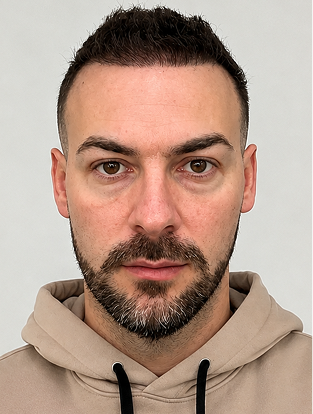
 Expert Care
Natural Results
Lasting
Confidence
Hair thinning rarely happens overnight, and the fix usually doesn’t either. Most people researching PRP treatment for hair before and after want answers to two questions. Will it work for me? And how long until I notice a difference?
The fair answer is that it depends. Platelet-rich plasma (PRP) can help some people strengthen existing hair and reduce shedding, but results vary between individuals and build slowly over months. This guide explains how the treatment works, what a realistic timeline looks like and how it compares with a hair transplant.
What Is PRP Treatment for Hair?
PRP is a concentrated part of your own blood that contains more platelets than usual. Platelets help blood clot, but they also carry growth factors, proteins involved in tissue repair.
In hair restoration, this plasma is injected into thinning areas of the scalp. Because it comes from your own body, the chance of an allergic reaction is very low. The procedure is non-surgical, usually takes under an hour, and most people return to their normal routine the same day.
PRP for hair loss is most often used for androgenetic alopecia, better known as male or female pattern hair loss. It’s a supportive therapy. It works with follicles that are still active rather than creating new ones.
How Does PRP Hair Treatment Work?
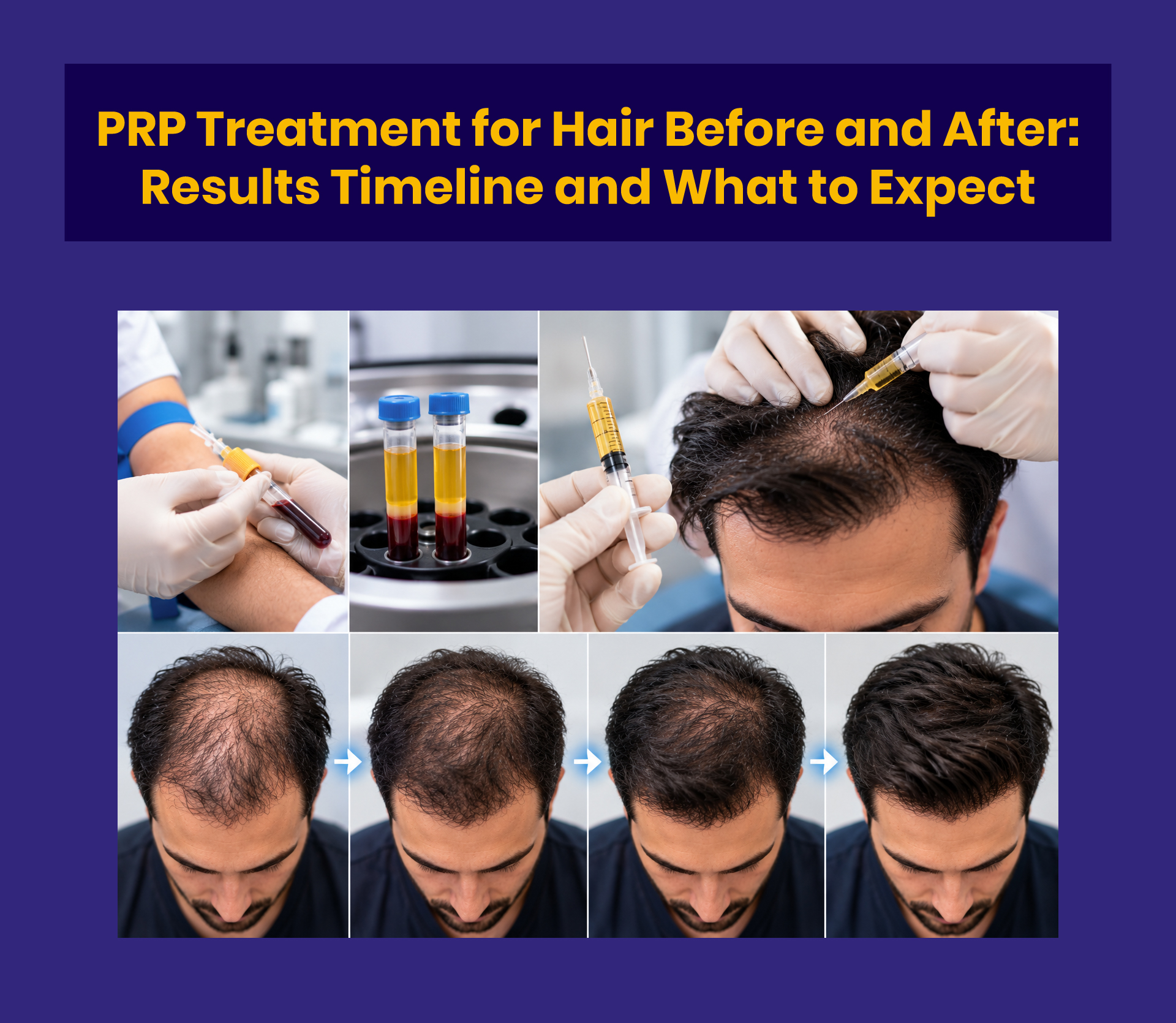
The procedure follows a fairly standard sequence:
- A small amount of blood is drawn from your arm, much like a routine blood test.
- The sample is spun in a centrifuge to separate it into layers.
- The platelet-rich layer is extracted and prepared.
- The plasma is injected into the thinning areas of the scalp. Some clinics combine this with microneedling.
The growth factors are thought to stimulate weakened follicles, improve blood supply around them and lengthen the growth phase of the hair cycle. Follicles that have shrunk over time may start producing thicker, stronger strands again.
There are limits, though. PRP can’t revive a follicle that has stopped functioning.
PRP Treatment for Hair Before and After: What to Expect
Knowing what happens around each session makes the process feel more manageable. Your clinic’s own instructions should always come first.
Before treatment
- A consultation to assess the cause and pattern of your hair loss and confirm you’re a suitable candidate
- Blood tests in some cases, particularly if you have a history of blood disorders
- Pausing blood-thinning medicines or supplements only if your doctor advises it
- Avoiding alcohol and smoking for a day or two beforehand
- Eating a proper meal and drinking plenty of water on the day
- Washing your hair that morning and skipping styling products
- Clinical photos so progress can be compared fairly later
After treatment
- Mild redness, tenderness or swelling that normally settles within a day or two
- A feeling of tightness or a mild headache for a few hours
- A return to work and daily activities, often the same day
- No visible change in hair density right away
- Temporary shedding for some people in the first few weeks
- Follow-up photos taken in the same lighting and angles to track change
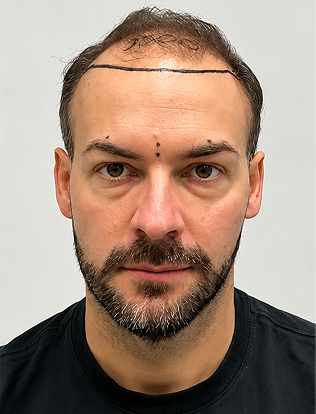
A quick word on photos. PRP hair treatment before and after images are only useful when they’re genuine, shared with the patient’s consent and representative of typical outcomes. Look for matching lighting, hair length and camera angles. Brighter light or different styling can make a modest change look dramatic, so it’s fair to ask how many sessions the patient had and when the “after” photo was taken.
PRP Hair Treatment Results Timeline
Hair grows in cycles, and that’s the main reason PRP takes time. Each follicle moves through a growth phase (anagen), a short transition phase (catagen) and a resting phase (telogen) before the hair sheds and the cycle restarts. Any improvement has to work its way through that cycle before you can see it.
Broadly, the first few weeks are about healing. Reduced hair fall may become noticeable around the second or third month, and changes in thickness, where they happen, tend to show between three and six months. Full PRP hair treatment results are usually assessed at six months to a year.
None of this is guaranteed. Age, genetics, hormones, general health and how advanced the thinning is all play a part. Two people with similar hair loss can respond quite differently to the same plan, and some see little change at all.
What Can You Expect After 1, 3, and 6 Months?
After 1 Month
Most people won’t see much change in density yet. That’s normal. The scalp has healed and any soreness has passed. Some notice extra shedding at this stage, which can feel worrying, but it’s often weaker hairs making way for new growth. You’ll probably have had your second session by now.
After 3 Months
This is when early changes usually appear, if they’re going to. Many people find less hair on their pillow or in the shower drain. Hair may feel stronger or look slightly fuller at the roots, and fine new hairs sometimes show up along the hairline or crown. Your doctor will likely compare your progress photos with the ones taken before treatment.
After 6 Months
Six months gives a much clearer picture of PRP hair growth results. Good responders may see better density, thicker strands and improved coverage. For others, the main benefit is that hair loss has slowed or stopped getting worse, which still counts. Reviewing your PRP treatment for hair before and after photos now helps you and your doctor decide on maintenance. Without it, gains may gradually fade, since PRP doesn’t treat the underlying cause of pattern hair loss.

Curious About Your
Potential Results?
Speak with our specialists to understand what's achievable in your case and explore the best treatment options for your hair loss.
 Personalized
Expert Advice
 Treatment Options
That Suit You
 Realistic Results
You Can Expect
Discuss My Options
↰ No obligation.
Just honest guidance!
How Many PRP Hair Treatment Sessions Are Needed?
Most clinics recommend three to four initial sessions, spaced roughly four to six weeks apart. This gives the follicles repeated exposure to growth factors during the early months.
Maintenance sessions usually follow every four to six months, or once or twice a year, depending on your response. Some people need top-ups more often. Others stay stable for longer.
There’s no number that suits everyone, and your PRP hair treatment before and after progress should guide the plan. Be cautious of any clinic that presents a single session as a permanent fix.
Does PRP Work for Every Type of Hair Loss?
Not always. It helps with some kinds of hair loss far more than others. Doctors most often recommend it for:
- Male and female pattern hair loss, ideally caught early
- Thinning hair where follicles still produce strands, even if they’re finer than before
- Certain cases of alopecia areata, but only once a dermatologist has examined the scalp
It’s unlikely to do much in these situations:
- Long-standing baldness, where the follicles have stopped working altogether
- Scarring alopecia, as the follicles have been destroyed and replaced by scar tissue
- Hair loss caused by a thyroid problem, a nutritional deficiency or a medication side effect. That cause needs to be dealt with first.
Timing matters as well. Someone who noticed thinning fairly recently usually has more active follicles left than someone who’s been losing hair for years, and that gives PRP for hair loss more to work with.
Bald patches are a different story. Once an area has no hair left, injections can’t fill it in. An FUE hair transplant may suit you better there, since it takes healthy follicles from the back of the head and places them where they’re needed. Some people still have PRP alongside surgery.
PRP Hair Treatment Aftercare
Good aftercare helps the scalp heal and gives each session the best chance of working. General advice includes:
- Not washing your hair for at least 24 hours, or as long as your clinic recommends
- Avoiding hair dye and chemical treatments for around three days
- Skipping intense workouts, saunas and steam rooms for 24 to 48 hours
- Keeping your scalp out of strong sun
- Limiting alcohol and avoiding smoking for a few days
- Checking with your doctor before taking anti-inflammatory painkillers
Longer term, a balanced diet, enough sleep and manageable stress levels all support healthy hair. If you’ve been prescribed other treatments, keep using them as directed.
PRP vs. Hair Transplant: What’s the Difference?
PRP aims to strengthen the hair you still have. A transplant moves healthy follicles from a donor area, usually the back of the head, into thinning or bald areas. Techniques such as DHI hair transplant use an implanter pen to place each graft directly.
| Factor | PRP Treatment | Hair Transplant (FUE/DHI) |
| Procedure | Non-surgical scalp injections | Minor surgery with the scalp numbed |
| How it works | Growth factors support existing follicles | Healthy follicles are moved to thinning or bald areas |
| Best suited for | Early to moderate thinning | Moderate to advanced hair loss |
| Sessions | Three to four, then maintenance | Usually one procedure |
| Downtime | Minimal | Several days to two weeks |
| Visible results | Gradual, often three to six months | Fuller results at 12 to 18 months |
| Adds hair to bald areas | No | Yes |
| Longevity | Needs ongoing maintenance | Transplanted follicles are generally long-lasting |
The right choice depends on how much hair you’ve lost, your donor area and your goals.
Frequently Asked Questions About PRP Hair Treatment
Is PRP hair treatment painful?
Most people find it mildly uncomfortable rather than painful. Clinics usually apply a numbing cream first, and the injections take only a few minutes.
How long do PRP hair treatment results last?
They aren’t permanent, because PRP doesn’t stop the underlying cause of hair loss. Many people keep their improvement with regular maintenance sessions, though this varies from person to person and depends on how the hair responds over time.
Who is a good candidate for PRP for hair loss?
People with early or moderate thinning and good general health tend to respond best. It’s usually not advised for those with certain blood disorders, active scalp infections or during pregnancy. A consultation will confirm whether it suits you.
Are there any side effects?
Most people get some tenderness or redness where the needles went in, and a few have a mild headache afterwards. This usually clears within a day or two. Allergic reactions are rare, because the plasma comes from your own blood.
Should I choose PRP or a hair transplant in Turkey?
That mostly comes down to how much hair you’ve lost. PRP is better suited to early thinning. If you already have noticeable bald areas, a hair transplant in Turkey may make more sense, as transplanted follicles give a longer-lasting result. Plenty of patients do both and have PRP after surgery to support their results. A specialist can tell you which option is more realistic.
Ready to Take the Next Step
Toward Hair Restoration?
Receive expert guidance, a customized treatment plan,
and realistic expectations tailored to your goals.


Let's Discuss Your Hair Restoration Goals
Our team is here to answer all your questions.



 Offer valid for a limited time only!